The Small Moments That Teach Us to Distrust Ourselves
before the scream, there was a whisper
We live in a world that tries so hard to tear us away from our bodies, our signals. This happens through little computers that we carry in our pockets: different applications competing for our precious attention (‘‘Forget about your anxiety, watch an interesting video with a captivating hook!’’), GLP-1 ads targeting our insecurities without any regulation or prescription (‘‘Your bodily signals cannot be trusted, here is the solution, you won’t ever have to think about it – until you stop using the medication’’), diet culture-influenced content creators giving tips to lose weight (‘‘I know better than your body, listen to me’’) and many more.

If you pay careful attention, so much around us pulls us away from noticing ourselves.
Perhaps it's no surprise that mental illness, eating disorders, and somatic complaints have become so common. Our bodies have to scream harder and louder than ever to say ‘‘I’m here! Listen to me! Hear me! See me!’’
This scream comes in different expressions: a headache, omnipresent anxiety, digestive issues, preoccupation with your weight, food noise, binge eating, over-exercising, purging, … the list goes on. This is often what brings people to therapy. It is seen as the main complaint, ‘‘the problem’’, a symptom to be reduced.
Yet, it’s rarely a symptom to be treated, but rather a cry for help from your body. A scream.
The scream started long before binging, overeating, digestive issues, anxiety, feeling out of control, preoccupation, all of it. It was a whisper long before your body learned it had to scream.
It started in all the small moments.
You fell. And you were met with ‘‘Ah, that’s nothing! You’re okay!’’ Although it really hurt, you learned to quiet your feelings when they were not mirrored.
You felt full at the table, put down your fork. And you were told you’d have one child per rice grain left on your plate. Fearfully, you finished it all, not wanting the imagined punishment of ending up with as many children (one being you) as your caregivers.
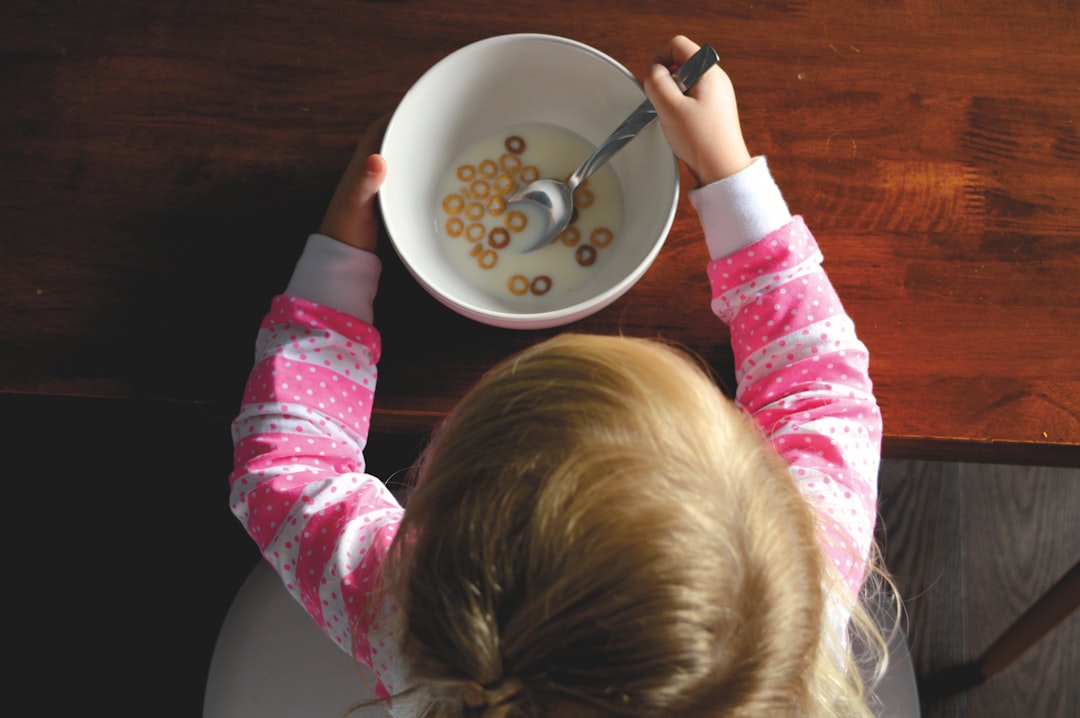
You ate fast when you were hungry. They said it’s not girly to eat so fast. You tried really hard to slow down your bites shamefully to not seem ‘boyish’, instead of delicate and feminine.
Or perhaps your lesson looked different. You got upset and were laughed at for showing it. You were told to toughen up. The only emotion that seemed to earn respect was anger. So you learned that sadness, fear, and hurt were better kept to yourself.
Your body grew with you. Then you were told, ‘‘What happened? Have you been eating a lot? You look different from your friends,’’ and you didn’t know what had happened. You just listened to your body and there you were.
You were comforted in ways that unintentionally minimized what you felt.
Yet it did feel upsetting, somewhere on the inside.
But you learned to override that because it didn’t feel safe. Over time, you experienced your body as uncharted territory, where any signal, emotion, hunger, fullness, or urge that arose was experienced as threatening, potentially wrong, and subject to inhibition.
Your inner narrative adapts: ‘‘I am upset but I shouldn’t be, it’s such a small thing’’
When I bring this up, clients often say ‘‘Really? It was just one little moment causing me to be like this for my whole life? That sounds sensitive, doesn’t it?’’
Although these may sound like small moments, they do build up.
When what comes internally doesn't match what you experience externally, eventually, with time and repetition, even your own hunger, emotions, and impulses can start to feel confusing or unsafe. This may lead to more self-monitoring: ‘‘Am I hungry or not?’’, hyper vigilance: ‘‘Am I going to binge eat? What should I be eating?’’; mistrust of internal cues: ‘‘I shouldn’t be hungry now, I ate a big lunch.’’
One might cope with it by turning outward. Almost outsourcing what is supposed to be done by your internal cues. Sometimes it's quite overt: following strict diet plans, checking a fitness tracker to see if enough steps have been taken, watching content creators to tell you what to eat.
But it can also be covert: looking at others to decide what you are eating, waiting until your partner says they are hungry, not getting a snack if your friends aren’t, avoiding ordering a burger because everyone else is eating salad, and so on.
I know this pattern well because it showed up in my own relationship with food.
There was a time when I’d completely forget to check in with my body around other people.
If everyone was still eating… it meant I kept eating too.
If there was food left on my plate… I finished it.
Seeing an open buffet meant I had to make two big plates.
The idea of having one plate and going back for a second if I was still hungry didn't occur to me. Stopping before others didn’t even feel like an option. Or taking food home as leftovers didn’t even cross my mind. I’d just keep going, fully detached from myself. It came so naturally to me, almost automatic.
Until it hit me all at once: that overly full, uncomfortable, “I’ve gone too far again” feeling.

And then the thoughts would come in:
“Why can’t I just stop when I’m full like a normal person?”
“How did I do this AGAIN?”
The guilt. Feelings of failure. Then eating to cope with them too. So the cycle started again.
I thought it was about ‘eating like a normal person’, believing I was the problem for not being able to do something that came so naturally for many. But it was less about whether I was eating like a normal person and more about being other-oriented: constantly looking at others to make sense of my inner world, checking how much they were eating, when they’d stop, what they might think. I had abandoned my own cues completely.
That pattern wasn’t just about food. Abandoning myself was familiar:
People-pleasing. Self-sacrificing.
Worrying about how I was perceived. Putting everyone else’s perception first… and leaving myself out of the equation.
I can already hear you think ‘‘That's such a deeply rooted habit! How can we change something so ingrained in our brains?’’
And the answer lies in small steps. Relearning trust doesn't usually happen through grand gestures, just like it wasn’t broken through an isolated and grand moment. More often, it begins with small experiments in listening. I put together a list of ideas you can experiment with this week—or feel free to come up with one of your own:
letting an emotion exist without shutting it down immediately or drowning yourself in it
going to the bathroom when you first notice the urge, not later
answering more slowly instead of performing politeness immediately
expressing a preference out loud instead of deferring
saying “I’ll get back to you” instead of responding right away
pausing for one breath before continuing — or before stopping
allowing a few more bites or stopping a little earlier by putting the fork down
None of these actions are life-changing on their own. That is precisely the point.
The disconnection rarely happened all at once. It happened through thousands of small moments where you learned to look away from yourself.
Reconnection often happens the same way.
One moment of noticing hunger before checking what someone else is eating.
One moment of acknowledging sadness instead of explaining it away.
One moment of stopping when you’ve had enough, even if food remains on the plate.
One moment of trusting that what you feel is worth paying attention to.
The goal is not to become perfectly attuned to yourself overnight. It is simply to begin building a relationship with the person who has been there all along.
Your body was never trying to sabotage you. The anxiety, the urges, the overwhelm, the preoccupation, the symptoms—however frustrating they may be—were often attempts to communicate something that had gone unheard for a long time.
Before the scream, there was a whisper.
And perhaps healing begins when we become willing to listen to it again.
📎 Resources
The disconnection described in this article didn’t happen overnight—and reconnection rarely does either. If you’re looking for support in rebuilding trust with your body, understanding emotional eating, and learning to respond to your needs with greater awareness, I’d love to have you join us for Full but Not Fed: Emotional Eating Workshop on June 22 & 23. Early bird tickets available here:
🌱 In case you haven’t already, don’t forget to download your FREE Emergency Recovery Kit for Bad Body Image Days here.
This essay was first published on my newsletter. Read the original on Substack →