How Private Is Online Eating Disorder Therapy?
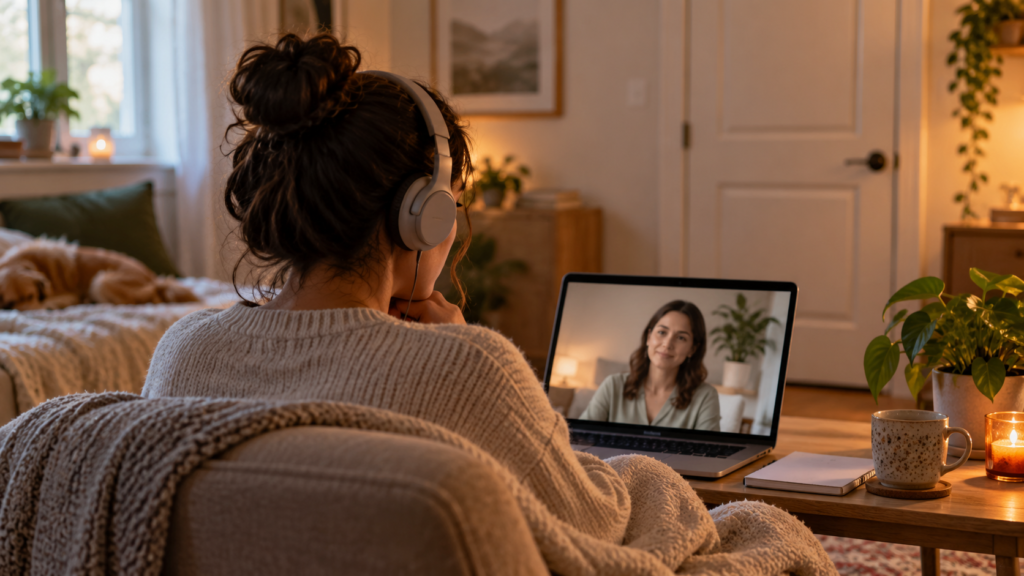
Online Eating Disorder Therapy can offer a high level of privacy when sessions use appropriate professional systems and the client has a confidential place to talk. The therapist should explain how video sessions are conducted, how personal information is handled, what confidentiality covers, and the limited circumstances in which confidentiality may need to be broken for safety or legal reasons. Privacy also depends on the client's environment, because even a secure therapy platform cannot prevent someone in the next room from overhearing a conversation.
Eating difficulties can involve shame, secrecy, body image, binge eating, restriction, or behaviours that feel difficult to describe. Clear privacy arrangements therefore matter both practically and therapeutically.
Confidentiality Still Applies To Online Therapy
Moving therapy online does not remove professional confidentiality.
A therapist should treat what is discussed during remote appointments according to the same professional standards that apply to psychological therapy generally.
Before treatment begins, clients should understand how confidentiality works and what its limits are.
These limits can vary depending on professional requirements and jurisdiction, but they may involve situations where there is a serious safety concern or another legal obligation to disclose information.
A therapist should explain these boundaries clearly rather than waiting for an urgent situation before discussing them.
The Video Platform Matters
Online sessions depend on technology.
A therapist should use a system suitable for professional therapeutic communication and explain how the appointment link is provided.
Clients can also take practical steps.
Keeping devices updated, using a private internet connection where possible, protecting devices with passwords, and avoiding shared computers can reduce unnecessary privacy risks.
A therapy session should not require clients to become cybersecurity specialists.
The important point is that both the therapist and client use reasonable safeguards rather than treating ordinary consumer communication as automatically private.
Your Physical Environment Is Part Of Confidentiality
The most overlooked privacy issue in online therapy is often not the software.
It is the room.
Someone may join a session from a secure platform while a partner, family member, housemate, or colleague can hear everything through the wall.
For eating disorder therapy, this can significantly change what a person feels able to say.
Someone may avoid discussing binge eating, restriction, compensatory behaviours, or family dynamics because they fear being overheard.
A private room with a closed door is ideal when available.
Headphones can improve privacy, although they cannot prevent other people from hearing the client's side of the conversation.
Shared Homes Can Require More Planning
Not everyone has access to a completely private home environment.
Students, people living with family, and clients in shared housing may need to think creatively about where sessions happen.
This could mean choosing a time when other people are out, using a private office, or arranging another quiet space where the conversation cannot easily be overheard.
A car may occasionally provide privacy if it is parked safely and the client is not driving, although comfort and internet reliability also matter.
The goal is not to create a perfect therapy room.
It is to create enough privacy that the person does not need to censor important parts of the conversation.
Therapists Should Explain Record Keeping
Privacy also involves what happens after the session ends.
Therapists may keep clinical notes as part of professional practice.
Clients can ask what information is recorded, how it is stored, and who can access it.
The therapist should also explain how emails, appointment systems, forms, and other communications are managed.
Video therapy does not automatically mean that sessions themselves are recorded.
If recording were ever relevant, this should be discussed explicitly rather than assumed.
Clients should feel able to ask direct questions about how their personal information is handled.
Online Therapy From Work Can Be Less Private Than It Seems
Joining therapy from a workplace can be convenient but may create privacy problems.
Office Wi-Fi, shared rooms, glass meeting spaces, or colleagues passing nearby can make confidential conversation difficult.
The psychological impact matters as much as the technical one.
If someone is constantly listening for footsteps outside the door, they may struggle to talk openly.
Eating disorder sessions can involve emotionally sensitive material that deserves enough space and time.
Whenever possible, a location should be chosen where the client does not have to monitor their surroundings throughout the appointment.
Therapy From Home Can Also Feel More Private
For some people, online sessions are more private than travelling to a clinic.
They do not need to sit in a waiting room, explain regular appointments to colleagues, or travel to a specialist service that others may recognise.
This can be particularly valuable for someone who feels embarrassed about seeking eating disorder support.
The home environment may also feel emotionally safer.
Privacy therefore has more than one meaning.
It includes data security, physical confidentiality, and whether the client feels able to engage without worrying about being observed.
Privacy Can Affect What You Discuss
A client who feels secure is more likely to speak honestly.
This matters because therapy depends on accurate information.
Someone may need to describe behaviours they have hidden from family or friends.
They may want to talk about eating in secret, body checking, restriction, compulsive exercise, or thoughts they find embarrassing.
If privacy is uncertain, these details may remain unspoken.
That can make assessment less complete.
Discussing privacy early is therefore not merely administrative. It helps create conditions for clinically useful therapeutic work.
Location May Need To Be Shared With The Therapist
Online therapy can feel geographically anonymous, but a therapist may still need to know where the client is physically located.
This can matter for professional eligibility and emergency planning.
If urgent support became necessary, the therapist would need to know which local services could realistically respond.
People who travel or move between countries should tell their therapist when location changes.
This does not reduce confidentiality.
It is part of making remote therapy clinically responsible.
Privacy And Emergency Planning Need To Work Together
Confidentiality is important, but it is not absolute.
Before online treatment begins, the therapist should explain what happens if they become seriously concerned about immediate safety or medical risk.
Eating disorders can involve physical as well as psychological concerns.
A therapist may therefore need an emergency contact, local healthcare information, or another agreed plan depending on the situation.
These arrangements should be transparent.
Clients should know what information could be shared, under what circumstances, and why.
Preparing Your Space Can Make Sessions Easier
Privacy does not need to become another source of anxiety.
A few practical preparations can help.
Closing the door, using headphones, silencing notifications, and letting household members know that you need uninterrupted time may be enough.
It can also help to position the screen so that private information in the room is not unnecessarily visible.
For additional practical preparation, How to Prepare for Online Eating Disorder Therapy covers the environment, technology, first-session expectations, and ways to make remote appointments easier to use.
Private Online Therapy Still Needs Clinical Structure
Privacy alone does not make online therapy appropriate.
A secure video session still needs assessment, therapeutic goals, professional boundaries, and regular review.
For clients whose needs are suitable for remote outpatient care, confidential online eating disorder therapy can address restrictive eating, binge eating, food rules, body image concerns, and related behavioural patterns without requiring regular travel.
Some clients may still need local medical, nutritional, or psychiatric support.
The therapist should consider these needs alongside privacy and convenience.
You Can Ask Privacy Questions Before Starting
Clients do not need to accept vague answers about confidentiality.
Useful questions include:
- Which platform is used for sessions?
- Are sessions recorded?
- How are therapy notes stored?
- How is communication outside sessions handled?
- What are the limits of confidentiality?
- What happens if urgent help is needed?
- What information is required if I travel?
A therapist should be able to explain these issues in understandable language.
Feeling informed about privacy allows more attention to remain on therapy itself rather than uncertainty about what happens to sensitive information.
Frequently Asked Questions
1. Is Online Eating Disorder Therapy Confidential?
Yes, professional confidentiality generally applies to online therapy, although therapists should explain its legal and safety-related limits before treatment begins.
2. Are Online Therapy Sessions Recorded?
They should not be assumed to be recorded. Clients should ask their therapist directly about recording policies and consent procedures.
3. How Can I Make Online Therapy More Private At Home?
Use a private room when possible, close the door, wear headphones, silence notifications, and choose a time when interruptions are less likely.
4. Does My Online Therapist Need To Know Where I Am?
Often, yes. Physical location can be relevant to professional regulations, emergency planning, and access to local support.
5. Is Online Therapy Private Enough For Sensitive Eating Disorder Topics?
It can be when the professional platform and physical environment provide appropriate confidentiality. Clients should discuss privacy concerns before or during therapy if they affect what they feel able to share.