Body Image Therapist UK
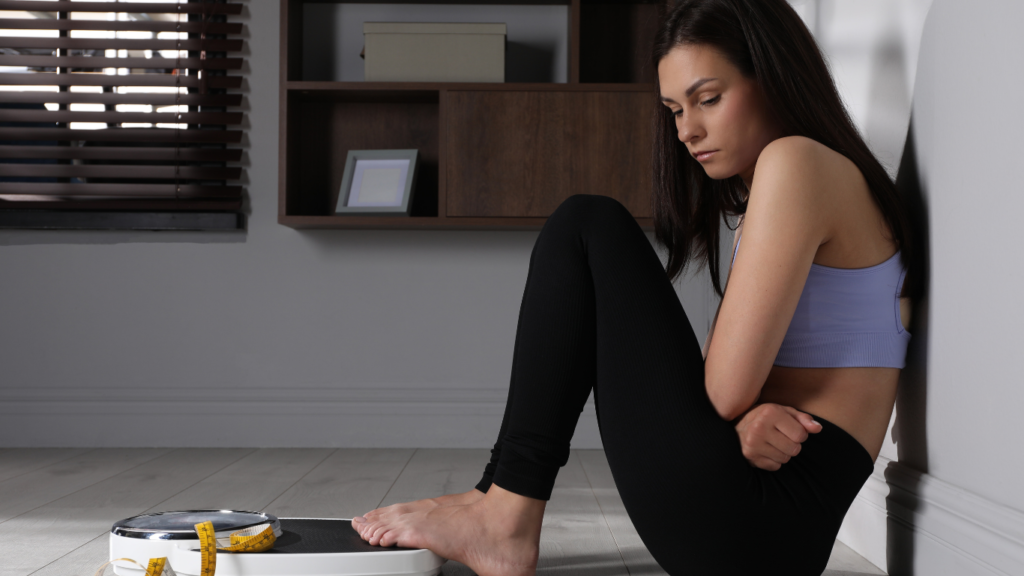
A Body Image Therapist UK service provides psychological support for people whose thoughts about appearance have started to affect confidence, relationships, social situations, clothing choices, eating, or everyday wellbeing. Body image therapy does not aim to persuade someone to love every part of their body or maintain constant body positivity. Instead, therapy focuses on understanding the beliefs, emotions, attention patterns, checking behaviours, avoidance, and comparisons that keep body dissatisfaction active. For people across the UK, support may be available online or in person depending on location, clinical needs, and the therapist’s working arrangements.
Body image difficulties can exist at different levels of intensity. Some people feel generally dissatisfied with their appearance, while others spend large amounts of time checking, hiding, comparing, or trying to correct perceived flaws. Therapy can help when appearance-related thoughts begin taking up more mental space than someone wants them to.
What A Body Image Therapist Can Help With
Body image concerns involve more than simply wishing one feature looked different.
A person may repeatedly check mirrors, analyse photographs, compare themselves with other people, seek reassurance, or change clothes several times before leaving home. Others respond by avoiding mirrors, photographs, swimming, intimacy, fitted clothing, or social situations.
A Body Image Therapist UK may help with patterns such as:
- repeated mirror or body checking;
- appearance comparison;
- reassurance seeking;
- avoidance of photographs or social situations;
- distress around particular body areas;
- appearance-based self-worth;
- anxiety about being judged by others;
- persistent self-critical thoughts about the body.
The aim is to understand how these patterns interact rather than treating each behaviour separately.
Body Image Is Not Just About Appearance
Body image is a psychological experience.
It includes what someone notices about their body, how they interpret what they see, how strongly appearance influences self-worth, and what behaviours follow from those beliefs.
Two people can have similar physical characteristics and experience their bodies very differently.
One person may notice a feature and move on with their day. Another may focus on the same feature repeatedly, check it from different angles, compare it with other people, and allow it to influence whether they attend a social event.
Body image therapy UK focuses on this wider relationship rather than trying to determine whether someone’s appearance concern is objectively justified.
Mirror Checking Can Maintain Body Dissatisfaction
Checking often begins as an attempt to feel reassured.
Someone may look in a mirror several times before leaving home, check their body after meals, assess how clothes fit, or repeatedly examine photographs.
The reassurance is usually temporary.
A person might feel satisfied for a few minutes and then need to check again later. Small changes in lighting, clothing, posture, or mood can also make the body appear different, creating another reason to inspect.
Over time, checking trains attention toward appearance.
A body image therapist in the UK can help identify the situations that trigger checking and gradually reduce the need to monitor the body constantly.
The purpose is not necessarily to remove mirrors completely. It is to make mirror use less compulsive and less emotionally powerful.
Avoidance Can Be Just As Restrictive
Some people do the opposite of checking.
They avoid looking at their body or being seen in situations that make appearance feel exposed.
This can include avoiding photographs, changing rooms, swimming, certain clothes, dating, intimacy, or social events.
Avoidance reduces discomfort immediately.
The difficulty is that the person never gets the opportunity to learn whether the situation could be tolerated without hiding or escaping.
As avoidance grows, everyday life can become increasingly organised around appearance concerns.
Therapy for body image concerns may therefore include gradual work on situations that have become difficult, with the aim of restoring flexibility rather than forcing exposure unnecessarily.
Comparison Can Distort How The Body Is Evaluated
Comparison can become an automatic part of body image distress.
Someone may compare themselves with friends, strangers, celebrities, social media images, or old photographs of themselves.
The comparison is rarely balanced.
People often compare the feature they feel most insecure about with the feature they admire most in someone else. Context such as pose, lighting, genetics, editing, age, and natural body variation may receive little attention.
Repeated comparison can make dissatisfaction feel increasingly convincing.
A Body Image Therapist UK can help someone notice when comparison begins, how it changes mood, and what happens behaviourally afterward.
Reducing comparison does not require pretending that bodies are identical. It means reducing the habit of using differences in appearance as a measure of personal value.
Appearance Can Become Too Closely Connected With Self-Worth
Body image concerns become especially influential when appearance determines how someone evaluates themselves.
A person may feel confident only on days when they believe they look acceptable.
An unflattering photograph can affect mood for hours. A perceived body change may feel like evidence of personal failure.
Therapy can explore how much responsibility appearance has been given for confidence and identity.
The goal is not to make appearance irrelevant.
Instead, relationships, values, interests, abilities, personality, work, creativity, humour, and other parts of identity can gradually carry more psychological weight.
A broader sense of self makes appearance-related changes less likely to determine an entire day.
Body Image Therapy Does Not Require Constant Positivity
A common misconception is that successful body image therapy should make someone love their appearance every day.
That expectation can become another rigid standard.
Body perception naturally changes depending on mood, stress, clothing, physical sensations, hormones, environment, and context.
A more realistic therapeutic goal may be body neutrality.
Someone might notice, “I do not feel comfortable with my appearance today,” without cancelling plans, repeatedly checking mirrors, seeking reassurance, or allowing the feeling to control the rest of the day.
The body does not need to be admired constantly in order to be treated with respect.
Therapy Can Explore Where Body Beliefs Came From
Appearance-related beliefs often have a history.
Teasing, criticism, comparison, family attitudes, repeated dieting messages, social pressure, or comments about weight and shape may influence how someone learns to evaluate their body.
These experiences do not automatically explain every current difficulty.
They can, however, help make sense of why certain beliefs feel especially powerful.
For example, someone who repeatedly learned that appearance influenced acceptance may develop a belief that looking a certain way is necessary to be valued.
A Body Image Therapist can explore these deeper patterns when they remain connected with current distress.
Behavioural Experiments Can Create New Evidence
Discussion alone may not be enough to change long-standing body image beliefs.
Therapy can include practical behavioural experiments.
Someone might attend an event without repeatedly checking their appearance beforehand. Another person may wear clothing chosen for comfort rather than concealment.
Someone who repeatedly seeks reassurance may practise allowing uncertainty instead.
These exercises are designed around a specific prediction.
If someone believes that reducing checking will make anxiety unbearable, therapy provides an opportunity to observe what actually happens.
New experiences can gradually weaken beliefs that previously felt unquestionable.
Online Body Image Therapy Across The UK
Online sessions can make specialist support easier to access across the United Kingdom.
People may choose remote therapy because of location, travel time, work schedules, mobility, or difficulty finding appropriate support nearby.
Online Body Image Therapy UK can still involve assessment, work on appearance-related beliefs, behavioural experiments, checking reduction, comparison patterns, and review of progress.
Privacy remains important.
Clients need a setting where they can speak openly without worrying that other people can hear the session.
Online therapy also needs to be clinically appropriate for the individual rather than chosen solely because it is convenient.
When Body Image Therapy May Be Worth Considering
Professional support may be useful when body image starts controlling decisions.
Someone may spend substantial time checking mirrors, changing clothes, comparing themselves with others, seeking reassurance, or avoiding situations because of appearance.
Body-related thoughts may interfere with concentration, relationships, intimacy, social life, or confidence.
A person does not need to reach a particular level of distress or have a formal diagnosis before contacting a therapist.
A Body Image Therapist UK can help assess which patterns are creating difficulty and what therapeutic approach may be appropriate.
What Happens During Body Image Therapy
Early sessions usually focus on understanding the individual pattern.
A therapist may ask about appearance concerns, checking, avoidance, comparison, reassurance seeking, social situations, and how body image affects mood or behaviour.
The work then becomes more specific.
Depending on the person’s needs, therapy may involve:
- reducing repetitive checking;
- challenging rigid appearance beliefs;
- working with avoidance;
- decreasing comparison;
- changing attention patterns;
- reducing appearance-based self-worth;
- practising greater tolerance of uncertainty;
- reviewing progress over time.
Therapy should remain structured without forcing every client through the same sequence.
Progress Often Appears In Everyday Life
Body image progress may appear in small behavioural changes before the person feels dramatically different about their appearance.
Getting dressed may take less time.
A photograph may no longer require repeated analysis.
Someone may attend an event even though they do not feel completely confident about how they look.
Mirror use may become shorter and less emotionally charged.
These changes reduce the amount of attention appearance demands.
Over time, the person may experience greater freedom even if occasional body dissatisfaction remains.
Choosing A Body Image Therapist In The UK
Relevant experience is important when looking for a therapist.
A body image therapist should understand how checking, avoidance, comparison, reassurance seeking, attention, and self-worth can interact.
It can also help to ask how therapy is structured.
A therapist should be able to explain what treatment may focus on, how progress is reviewed, and how psychological work is adapted to individual needs.
The therapeutic relationship also matters.
Appearance concerns can involve embarrassment, shame, or fear of being judged. Feeling respected and able to speak openly creates a stronger basis for psychological work.
A Body Image Therapist UK should provide a clear clinical framework without relying on generic reassurance or simply telling someone to “love their body.”
Building A More Flexible Relationship With Your Body
The aim of body image therapy is not to create a perfect relationship with appearance.
It is to reduce how much power appearance-related thoughts have over everyday choices.
Someone may still notice features they dislike.
What changes is the response.
The thought no longer needs to trigger repeated checking, hiding, comparison, reassurance, or withdrawal from daily life.
Working with a Body Image Therapist UK can help the body become one part of a wider identity rather than something that must constantly be evaluated, controlled, or corrected.
Frequently Asked Questions
1. What Does A Body Image Therapist UK Help With?
A Body Image Therapist UK can help with mirror checking, appearance comparison, reassurance seeking, avoidance, body-related anxiety, and self-worth that depends heavily on appearance.
2. Do I Need A Diagnosis To Start Body Image Therapy?
No. Body image therapy may be appropriate whenever appearance-related thoughts or behaviours create distress or interfere with everyday life.
3. Can Body Image Therapy Be Done Online In The UK?
Yes. Online Body Image Therapy UK may be suitable for clients who prefer remote sessions or cannot easily access specialist support locally.
4. Does Body Image Therapy Make You Love Your Body?
Not necessarily. Therapy may focus on body neutrality, greater flexibility, and reducing the influence appearance has over self-worth and daily decisions.
5. How Long Does Body Image Therapy Take?
Treatment length varies depending on the duration and intensity of body image concerns, the behaviours maintaining them, underlying beliefs, and individual therapeutic goals.