Holiday Season Survival Tips from Inside the Therapy Room
Things I've heard myself repeat the past sessions, shared with you
1) Visiting Family May Bring Up Old Dynamics and Make You Feel Like a Kid Again.
Around this time of year, many students and adults return home to spend the holidays with family. These gatherings can sometimes trigger old emotional dynamics, making you feel like a younger, less confident version of yourself. It’s common to find yourself slipping into a child-like state, where everything feels more intense and uncomfortable.

This reaction is completely natural. You’re engaging with people who played significant roles in shaping your early relationship patterns. These old dynamics helped form your beliefs about yourself, others, and how relationships work.
Returning to this environment may stir memories of the roles you once played, like being the “good child,” the black sheep, or the peacemaker. You may feel like that same child who once had little control over how they were perceived or treated.
But that doesn’t mean you’re going backwards in your healing journey.
This experience is incredibly common, whether you’re 20, 50, or 80.
Without even noticing, you might find yourself falling into old coping mechanisms including disordered eating behaviors, to cope with the discomfort or distress.
Although these behaviors may feel strangely familiar or even comforting, remind yourself how far you’ve come.
It might feel like that you are that little kid, it’s alright. Actually, stay in touch with Little You so that they don’t feel left behind or deprived again.
But this time, don’t forget that you also have a Healthy Adult part of you anchoring you in the present. As my supervisor puts it, you have two hands. Your non-dominant hand represents Little You — still valuable, still capable of contributing, but not the one guiding the direction. Your dominant hand symbolizes your Healthy Adult — the part of you that’s grounded, wise, and best equipped to manage adult situations. Let this part of you take the lead. Stay attuned to your inner child, but let your Wise Adult self be the one steering the course. This helps you stay grounded in the present, rather than getting pulled back into old emotional roles.
2) No need to find replacements.
You don’t need to search for “healthy alternatives” to the foods you enjoy. I understand the instinct — “I’ll feel safer if I eat the alternatives,” you might think. But true safety comes from within, not from following rigid food rules or choosing low-calorie versions.
Thoughts like “I might bloat” or “I need to burn off all the calories to earn this” may surface — but they’re rooted in fear, not fact.
Trust your body. It knows how to digest food — yes, even holiday food.
You don’t need to prepare for, compensate after, or “balance” meals. Food doesn’t require justification. Your body deserves balanced nourishment, no matter what time of year it is. Eat the delicious food!
3) It’s Normal to Overeat During This Season. Many People Do.
You may feel heavy or bloated. That’s completely normal when you’re eating different types and amounts of food than usual. Holiday meals are often richer, more abundant, and spaced closer together. That doesn’t mean something is wrong.
It might feel like you’re gaining a lot of weight. You’re likely not — and even if your body did change, that wouldn’t mean anything is wrong with you.
Try not to over-focus on the discomfort. It’s temporary. In fact, the more you fixate on it and respond with compensatory behaviors, the more likely you are to slip into a disordered eating cycle. Not because you did something wrong, but because that’s how the pattern reinforces itself.
Instead, make yourself physically and emotionally comfortable: wear soft clothes, drink a warm cup of mint tea, and offer yourself the same kindness you’d give to someone you love. You deserve that kind of soothing.
This discomfort will pass. Your body knows what to do.
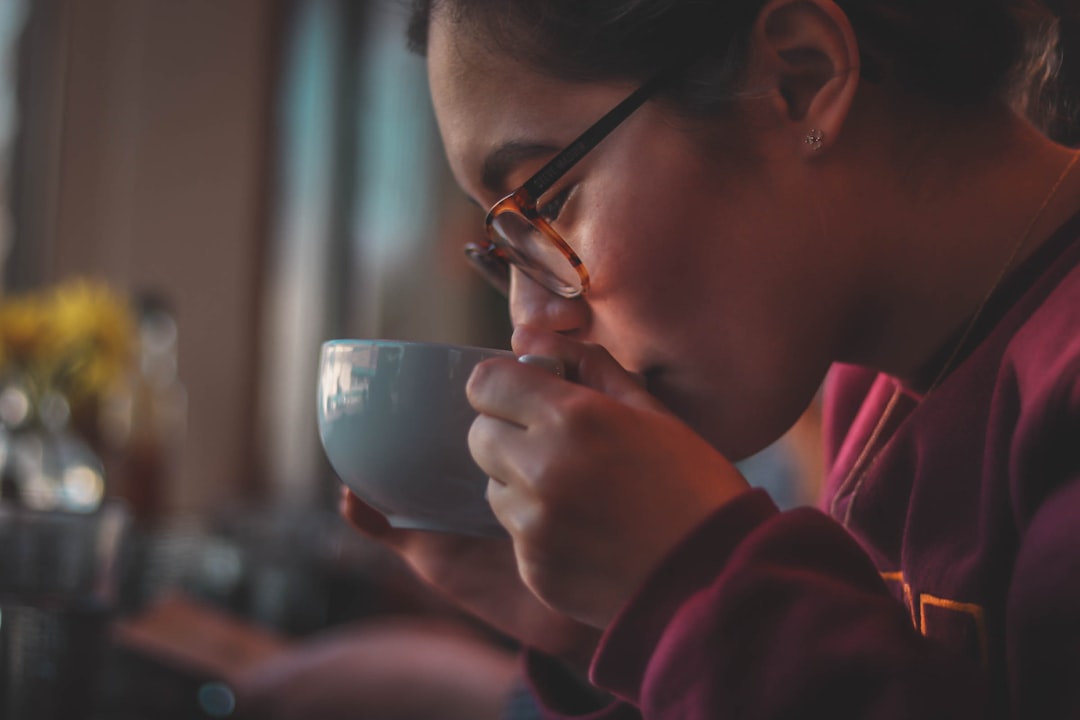
P.S. Holiday food is still just food. The calories don’t magically increase just because it’s the holidays.
(Not that calories matter but just in case your brain needed to hear that.)
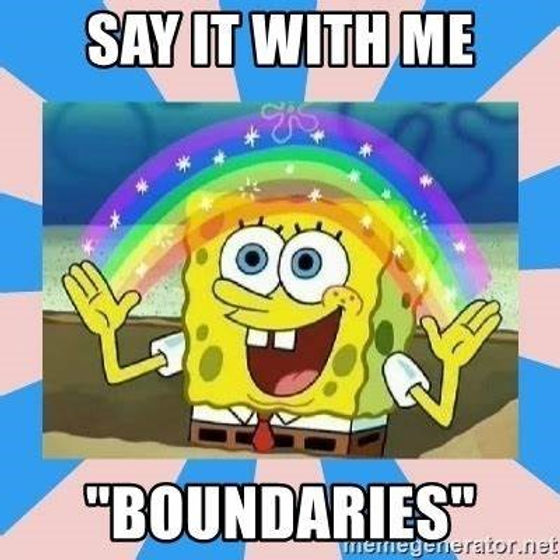
4) Boundaries Aren’t About Pushing People Away — They’re About Caring for Yourself and the Relationship.
You don’t owe anyone access to your body, your plate, or your recovery process.
When someone comments on your eating habits, body, or something totally none of their business, it can feel easier in the moment not to set a boundary — especially if you’re trying to keep the peace or avoid uncomfortable conversations. But over time, that avoidance can lead to lingering discomfort, resentment, or even a resurfacing of old eating disorder behaviors.
Setting a boundary might feel uncomfortable at first — especially if you’re not used to doing it — but it often brings a deep sense of relief, safety, and self-trust. In fact, holding a boundary is a way of protecting not just yourself, but the relationship you have with the other person. It allows you to show up more fully and honestly, without quietly abandoning your own needs.
If you’re feeling unsure, consider this:
You’re not choosing between being “kind” or “selfish.” You’re choosing between two kinds of discomfort:
The long-term discomfort of not setting a boundary: might linger, feel heavy, and push you toward old coping patterns with food or self-hatred through bad body image
The temporary discomfort of setting a boundary: may feel awkward in the moment, but often leads to a sense of strength, self-respect, and emotional safety
You’re not doing something to someone by setting a boundary — you’re doing something for yourself and for the relationship. That’s not selfish. It’s care.
5) You’re Not Helpless, You’re Allowed to Protect Your Recovery.
Body image often worsens around this time of the year. I mean, why are we surprised? Photos, mirrors, comments, New Year’s weight loss resolutions, and comparison — it’s everywhere this time of year. It can feel overwhelming, even helpless, to be surrounded by these triggers. But here’s what I want you to remember:
You’re allowed to step away from conversations that feel harmful.
You’re allowed to change the subject.
You’re allowed to say no.
You’re allowed to leave early.
You are not helpless. You are allowed to protect your recovery.
Setting boundaries with media, people, or situations isn’t avoidance — it’s care. Your well-being matters more than engaging in conversations or environments that pull you out of alignment with your healing.
Download my free Emergency Recovery Kit for Bad Body Image Days so it’s ready when you need it most:
6) It’s Normal for Emotions to Intensify.
It’s okay if you’re feeling anxious, sad, disconnected, or all of the above.

The holidays can stir up grief, loneliness, and memories that feel complicated. Not everyone feels joyful this time of year, and that doesn’t mean there’s something wrong with you.
When emotions run high, eating disorder thoughts often try to step in; offering a false sense of control or temporary relief. This isn’t about willpower or weakness. It’s your nervous system asking for safety in the only way it knows how.
The urge to restrict, overeat, or compensate is often less about food — and more about trying to regulate an emotional state that feels overwhelming. Food becomes the language when emotions feel too big to hold.
So instead of only focusing on what you’re eating, gently turn your attention toward how you’re feeling. What does your body or heart need right now that food is trying to express?
Wishing you a gentle, peaceful end to the year — however this season meets you. Whether you’re celebrating, resting, grieving, or simply getting through, you’re not alone.
Take good care of yourself. I’m rooting for you.
📎 Free Resources
🌱 If you’re looking for extra support and grounding during this time, I’d love to invite you to join my free 14-Day Inner Child Freedom Challenge. Each day includes a small, healing prompt to help you reconnect with your Little You — with kindness, safety, and self-trust. Day 1 is already out and we are a community of 25+ people!
🌱 In case you haven’t already, don’t forget to download your FREE Emergency Recovery Kit for Bad Body Image Days here.
This essay was first published on my newsletter. Read the original on Substack →